
Colorado winters bring postcard-worthy snow and temperatures that routinely dip below freezing. For homeowners, however, these cold snaps can be tough on plumbing systems. While the scenic winter landscape is beautiful, it is important to prepare and protect your home’s water lines. Frozen pipes and burst lines are more than just a winter nuisance; they can lead to extensive water damage, high repair costs, and significant headaches. Here’s what you need to know to keep your plumbing running smoothly all winter long.
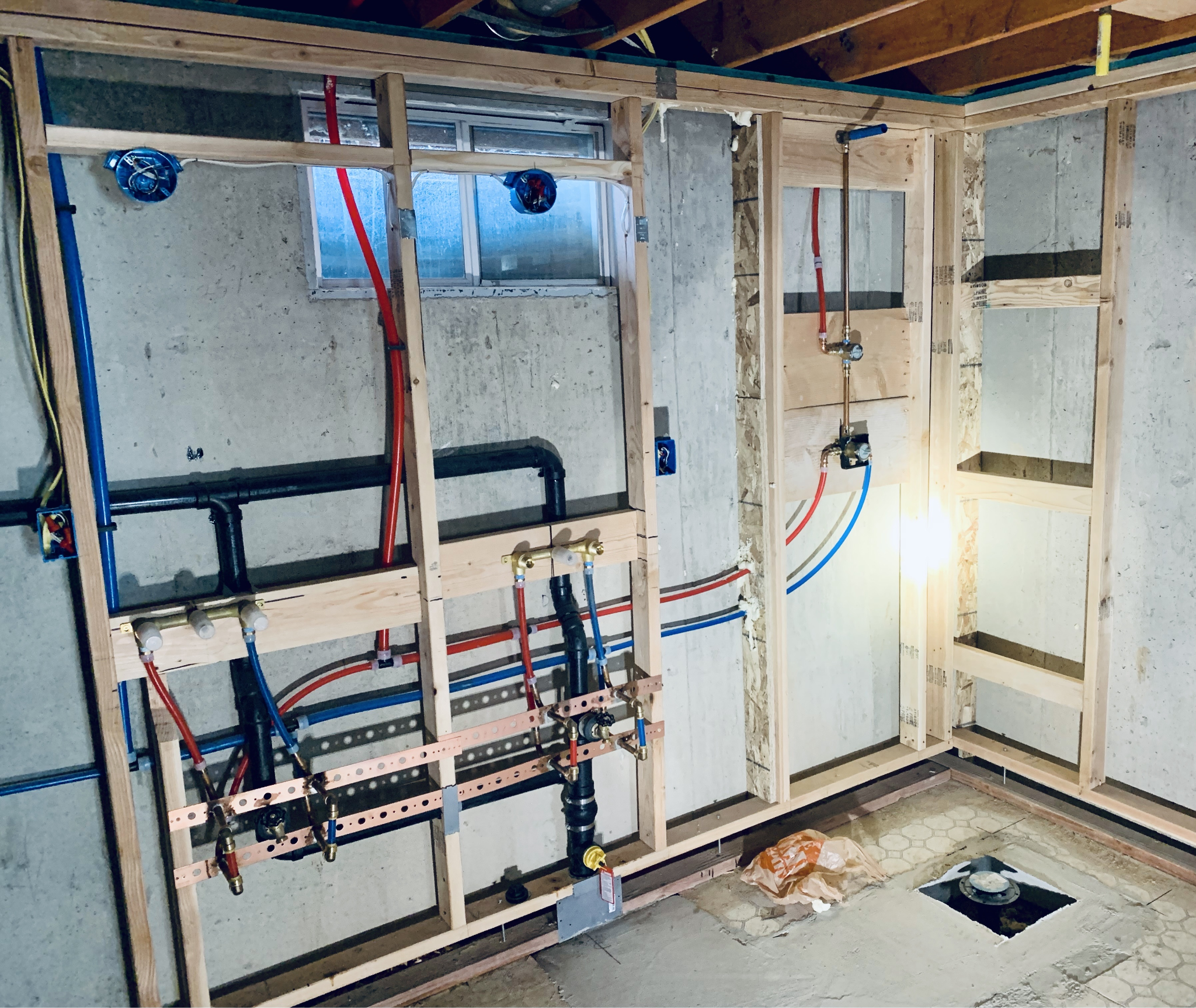
How Freezing Temperatures Threaten Your Home’s Pipes
When the temperature drops, the water inside exposed or poorly insulated pipes can freeze. As water freezes, it expands, increasing pressure inside the pipe. Over time, that pressure can crack or even burst your pipes. In Colorado, where overnight temperatures often fall below 20ºF, this risk is much higher, especially for plumbing in unheated areas like garages, basements, and crawl spaces. Older homes in the Littleton area are especially vulnerable; even sturdy copper or PVC pipes are at risk during an extended cold spell.
Essential Steps to Prevent Frozen and Burst Pipes
The most effective way to avoid plumbing emergencies is a proactive approach. Consider these practical steps:
-
Insulate pipes in unheated spaces using foam pipe insulation sleeves.
-
Seal any cracks or openings in walls where cold air could seep in near water lines.
-
Keep your home’s thermostat set at no lower than 55ºF, even when away.
-
Open cabinet doors beneath kitchen or bathroom sinks to allow warmer indoor air to circulate around the plumbing.
-
On especially frigid nights, let cold water drip slowly from faucets served by exposed pipes. Even a trickle keeps water moving, which helps prevent freezing.
Routine plumbing maintenance also helps catch small leaks or vulnerabilities before they escalate. If your property has experienced frozen pipes in previous winters, you may want to ask about pipe repair and replacement options for vulnerable sections.
Signs Your Pipes May Be Freezing
Recognizing the early warning signs of freezing pipes is crucial; catching the problem early greatly reduces the risk of a burst. Watch for:
-
Sudden reduction or loss of water flow from faucets.
-
Unusual noises such as banging or whistling when turning on taps.
-
Frost visible on exposed pipes.
-
Unpleasant odors coming from drains or faucets, which may indicate a partially blocked or frozen pipe.
If you notice one or more of these signs, take immediate action. Turn off your main water supply to minimize potential damage and contact a professional for emergency plumbing services.
When to Call a Professional Plumber
There are many steps you can take on your own, but some situations demand the expertise and equipment of a licensed plumber. If you suspect a pipe is frozen and you can’t safely thaw it yourself, or if you discover a burst pipe, professional assistance is essential. A plumber can use specialized thawing devices, inspect for hidden leaks, repair damaged lines, and winterize at-risk areas of your home. Local companies have an in-depth understanding of Colorado’s climate and building codes and can offer tailored solutions such as plumbing system inspections before peak winter hits.
Contact An Affordable Plumber of Littleton, CO for Reliable Winter Plumbing Solutions
Don’t let Colorado’s winter weather put your home or wallet at risk. For trusted, local help with frozen pipes, emergency repairs, or plumbing winterization, contact An Affordable Plumber of Littleton, CO. Call (720) 571-7466 or fill out the convenient online form to schedule your appointment and ensure your home stays safe and dry this winter.