Making a decision about the best water heater for your home is important, especially with the evolving weather patterns unique to Colorado. Whether you are building a new house or replacing an old unit, understanding the key differences between tankless and traditional tank-style water heaters can help you choose the smartest solution for your comfort and budget.
Cost Comparison: Upfront and Over Time
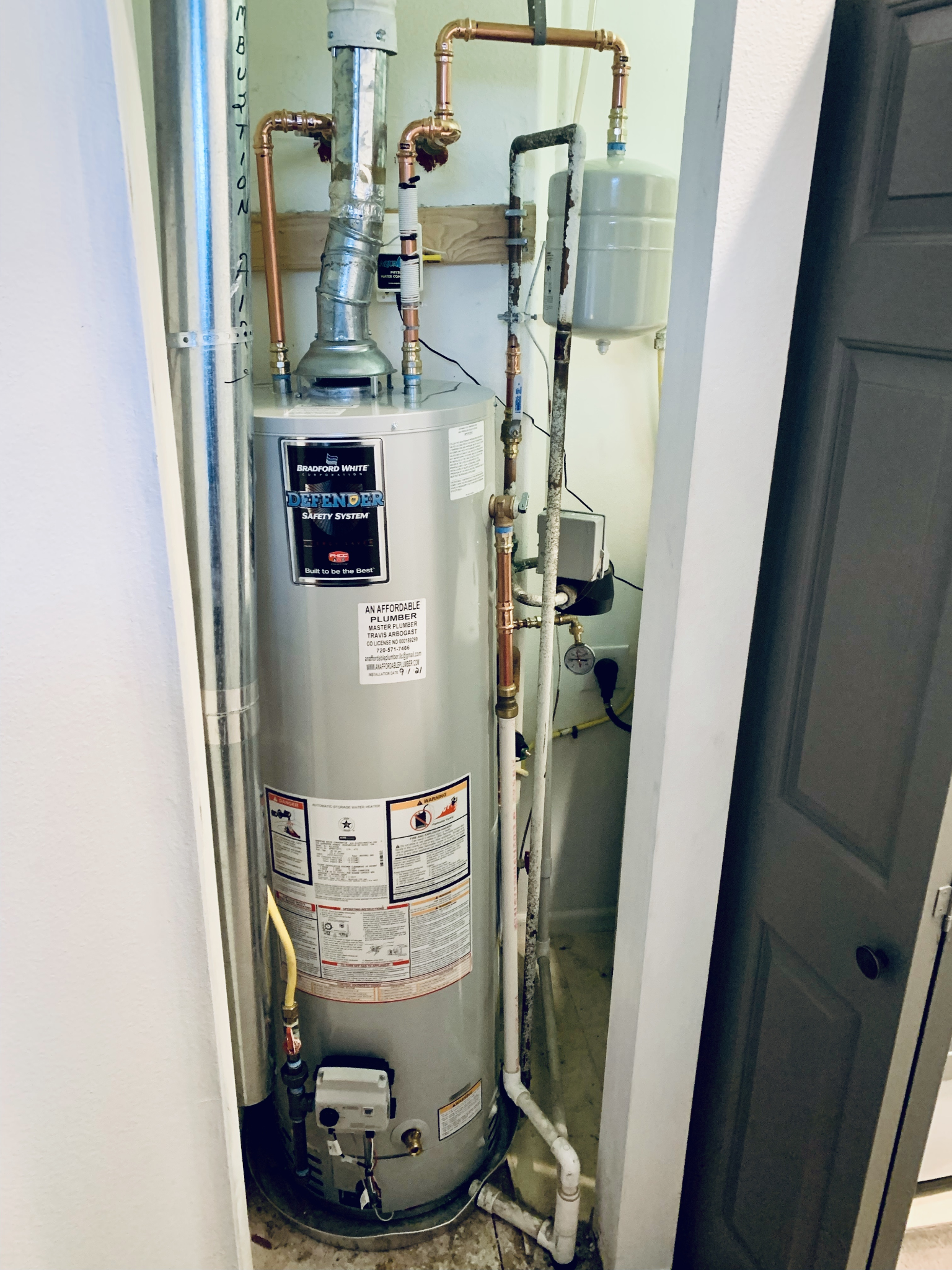
Cost is usually the first factor homeowners consider. Traditional water heaters, also called storage tank units, have a lower initial installation cost. You can expect to pay less up front for the unit and labor. However, they tend to have higher ongoing energy bills because they maintain a large tank of hot water, heating it even when you’re not using it.
On the other hand, tankless water heaters (sometimes called on-demand units) generally cost more to purchase and install. They require special venting and sometimes upgraded gas lines or electrical work. Even so, homeowners in Littleton frequently find that their tankless water heaters installation pays off in the form of lower monthly utility bills. Since tankless models only heat water when you need it, energy use drops significantly compared to traditional tanks.
Energy Efficiency Benefits and Environmental Impact
Energy efficiency is another key point of difference. Tankless water heaters are widely recognized for their superior efficiency, especially in Colorado’s fluctuating, sometimes harsh, climate. With tankless models, standby energy loss is minimized because there is no large tank that constantly needs reheating. This benefit not only saves you money but also reduces your home’s overall environmental footprint.
Traditional water heaters are less efficient but may be sufficient for families who use large volumes of hot water at predictable times, such as in the morning and evening. For smaller households, or those looking to invest in green technology, tankless heaters frequently come out ahead.
Space and Lifespan Considerations
In many Littleton homes, storage space is precious. Traditional water heaters require a large tank, typically 30 to 50 gallons, taking up valuable utility room or basement space. Conversely, tankless models are much smaller and can be wall-mounted, freeing up room for storage or other uses.
When it comes to durability, tankless models can often last more than 20 years with proper maintenance, while traditional water heaters usually need replacement after 8-12 years. For long-term homeowners, this extended lifespan may tip the scales in favor of going tankless.
Which Option Is Right for You?
Deciding between tankless and traditional water heaters is about matching performance characteristics to your household’s needs. For example, larger families who use a lot of hot water at the same time (such as multiple showers running in the morning) may benefit from the consistent supply of a high-capacity tank. However, tankless systems can be configured in parallel for households wanting on-demand heating without the standby cost.
If your utility room is tight on space or you plan to stay in your home for many years, the investment in a tankless model often brings long-term savings and flexibility. If you’re looking for reliable, straightforward installation on a limited budget, a new water heater repair and installation service for a traditional tank may make sense.
Ready to Make the Right Water Heater Choice in Littleton, CO?
If you’re unsure which water heater fits your family’s lifestyle or your property’s unique setup, the professionals at An Affordable Plumber are here to help. Serving Littleton, CO, our team can assess your current system, recommend an energy-efficient update, and ensure expert plumbing services every step of the way. Call us today at (720) 571-7466 or fill out our online form to get an estimate. Make the smart choice for comfort and savings all year long.